
Os distúrbios gastrointestinais nos cães são um dos motivos mais frequentes de consulta na prática veterinária. Geralmente, apresentam sintomas inespecíficos como vómitos e diarreia.
Classificam-se de acordo com a sua evolução temporal em agudos, ou seja, de aparecimento súbito e com duração inferior a 7 dias, e crónicos, com sinais contínuos ou intermitentes durante mais de 3 semanas.
RECURSO RELACIONADO
Descarregue o Relatório Clínico completo sobre estudos gastrointestinais
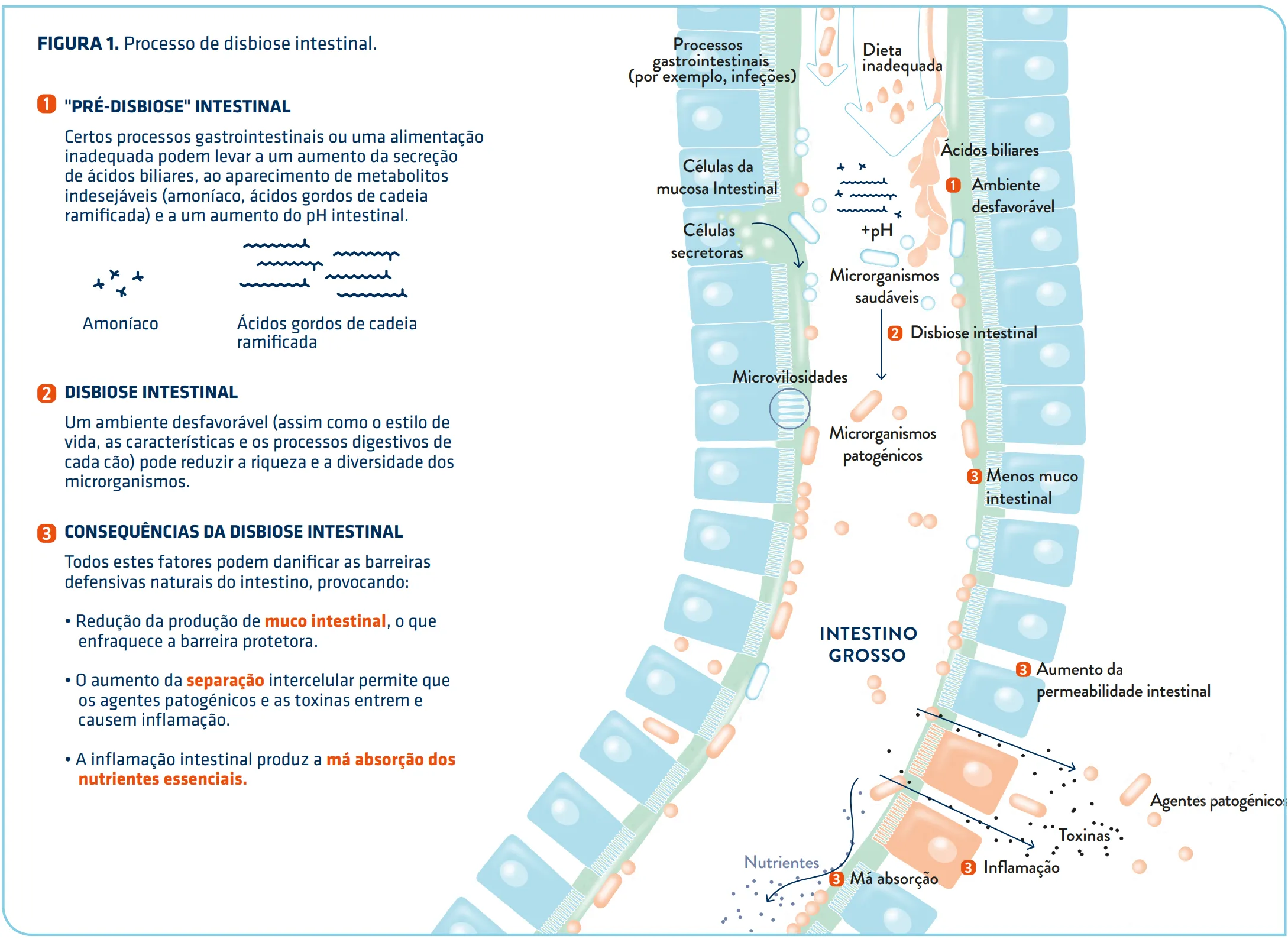
Principais causas da diarreia aguda em cães (DA)
A origem da diarreia aguda é multifatorial. Para facilitar a sua avaliação rápida na consulta, as principais causas são agrupadas em:
Dietéticas: excessos alimentares, mudanças bruscas na alimentação, intolerâncias e hipersensibilidades alimentares.
Sistémicas e ambientais: situações de stress.
Iatrogénicas / medicamentos: efeitos secundários de alguns medicamentos.
Microbianas e patogénicas: infeções gastrointestinais causadas pelo crescimento excessivo de bactérias patogénicas (como Clostridium difficile ou Escherichia coli).
Diagnóstico da disbiose intestinal: o índice de disbiose (ID)
Para quantificar de forma objetiva este desequilíbrio na microbiota, utiliza-se o índice de disbiose (ID):
Para cuantificar de forma objetiva este desequilibrio en la microbiota se utiliza el índice de disbiosis (ID):
Sem disbiose
Intervalo numérico: ID < 0: ausência de alterações na diversidade global da microbiota.
Disbiose moderada
Intervalo numérico: ID 0 – 2: alteração moderada na composição/atividade bacteriana.
Disbiose grave
Intervalo numérico: ID > 2: desequilíbrio grave do microbioma intestinal (associado ao uso de antibióticos ou a patologias graves).
Evolução da classificação das enteropatias inflamatórias crónicas (EIC)
O esquema de classificação das enteropatias crónicas em cães foi recentemente atualizado com base na sua resposta ao tratamento (Dupouy-Manescau et al., 2024):
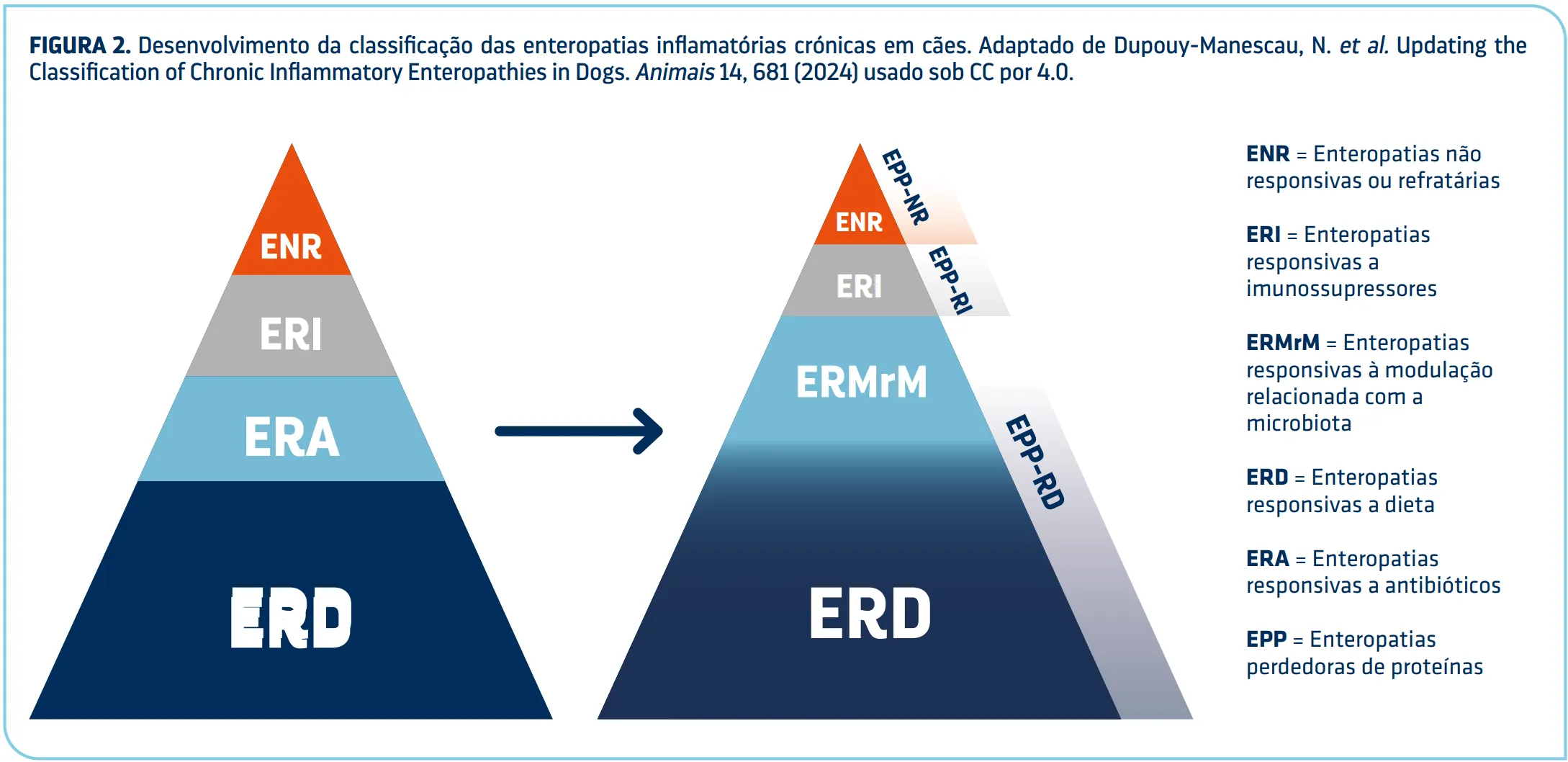
- FRE (Food-Responsive Enteropathies): enteropatias que respondem à dieta. Representam a maioria dos casos. Devem ser reavaliadas antes de se classificar um doente como resistente.
- MrMRE (Microbiota-related Modulation-Responsive Enteropathies): enteropatias que respondem à modulação da microbiota. Substituem, do ponto de vista conceptual, as antigas ARE (responsivas aos antibióticos) através da utilização de prebióticos, probióticos e simbióticos.
- IRE (Immunosuppressant-Responsive Enteropathies): enteropatias que respondem aos imunossupressores. Constituem uma minoria se for adotada uma abordagem alimentar correta.
- NRE (Non-Responsive Enteropathies): enteropatias resistentes ou que não respondem ao tratamento.
- PLE (Protein-Losing Enteropathies): enteropatias hipoproteinémicas. Utilizadas como marcador transversal da gravidade clínica.
Que solução existe para a diarreia aguda nos cães?
O estudo sobre patologia gastrointestinal publicado na revista Frontiers in Veterinary Science apresenta resultados positivos do Advance Veterinary Diets Gastroenteric no tratamento da diarreia aguda canina. (Jeusette et al. Uma nova dieta de prescrição altamente digestível, contendo Bacillus velezensis DSM 15544, frutooligossacarídeos, imunoglobulina plasmática, levedura e sepiolita, para o tratamento da diarreia aguda em cães: um ensaio aleatorizado, duplo-cego e controlado.)
- A nova fórmula inclui ingredientes de elevada digestibilidade, ácidos gordos ómega-3, imunoglobulinas plasmáticas e a combinação de FOS com o probiótico vivo Bacillus velezensis, entre outros.
- Os resultados revelaram uma aceleração da resolução clínica (em média, 2,3 dias mais cedo) e uma rápida recuperação da consistência fecal.
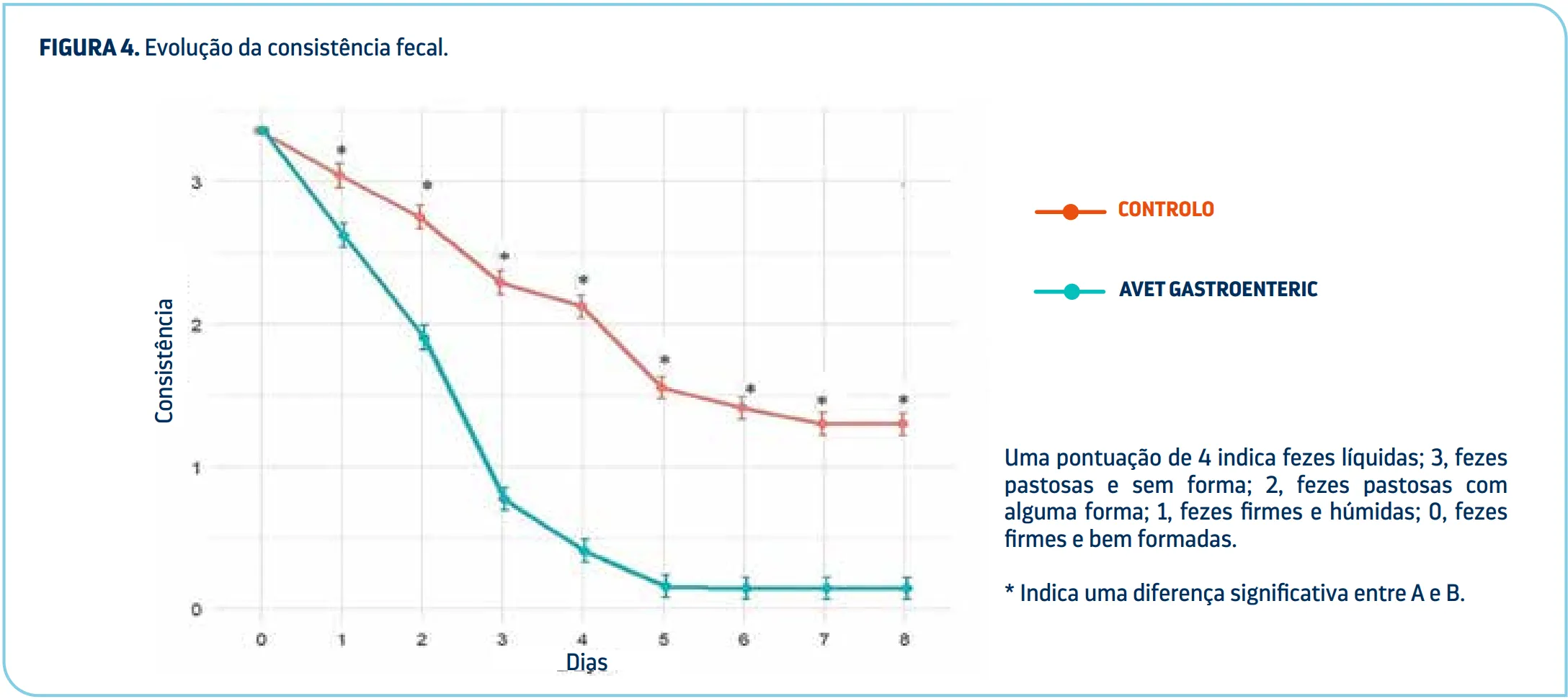
Além disso, a adoção desta dieta reduziu para metade o risco de desenvolver disbiose intestinal após a fase aguda.
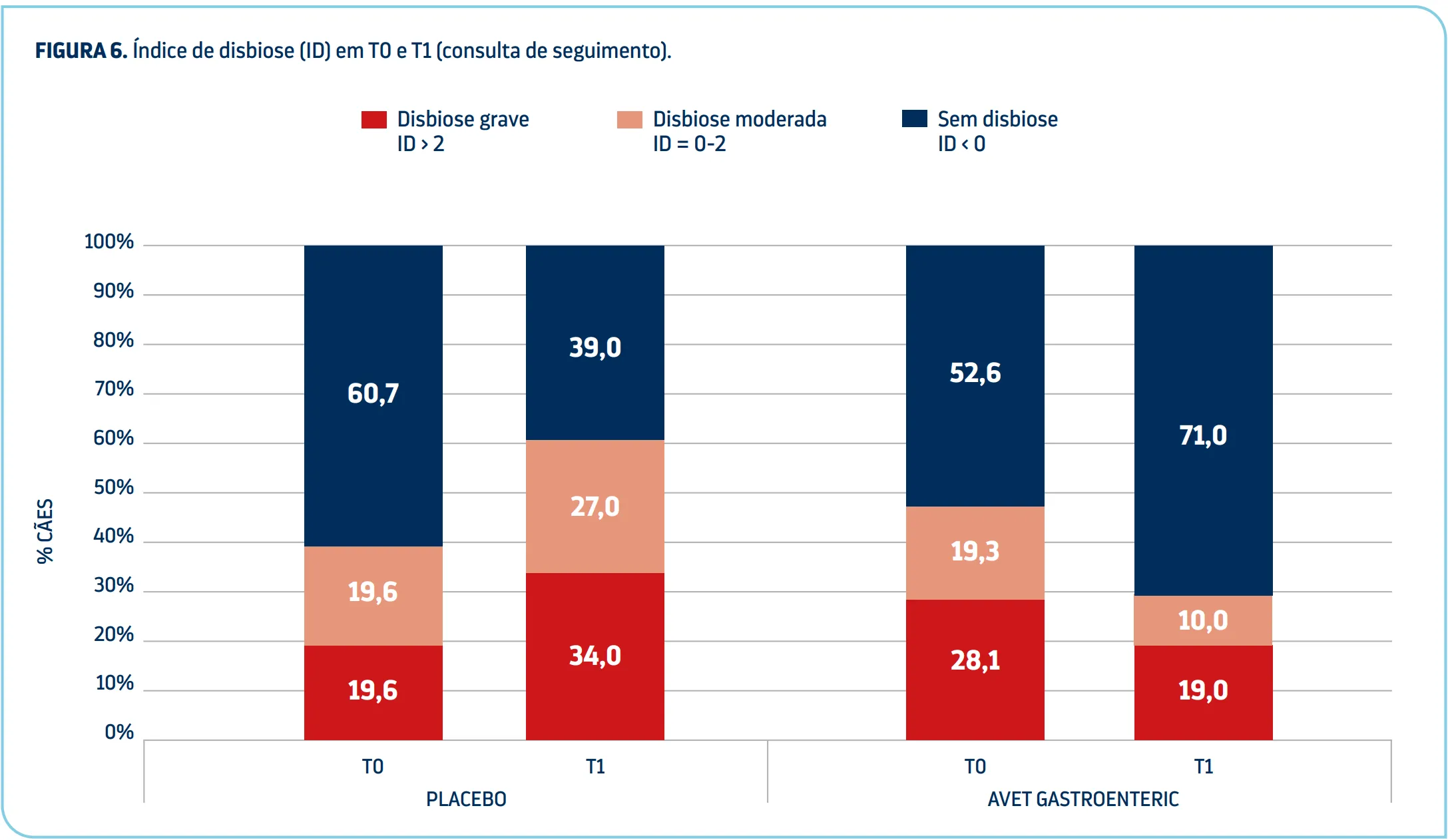
Para otimizar o acompanhamento destes doentes no dia a dia do consultório, aplique o seguinte protocolo:
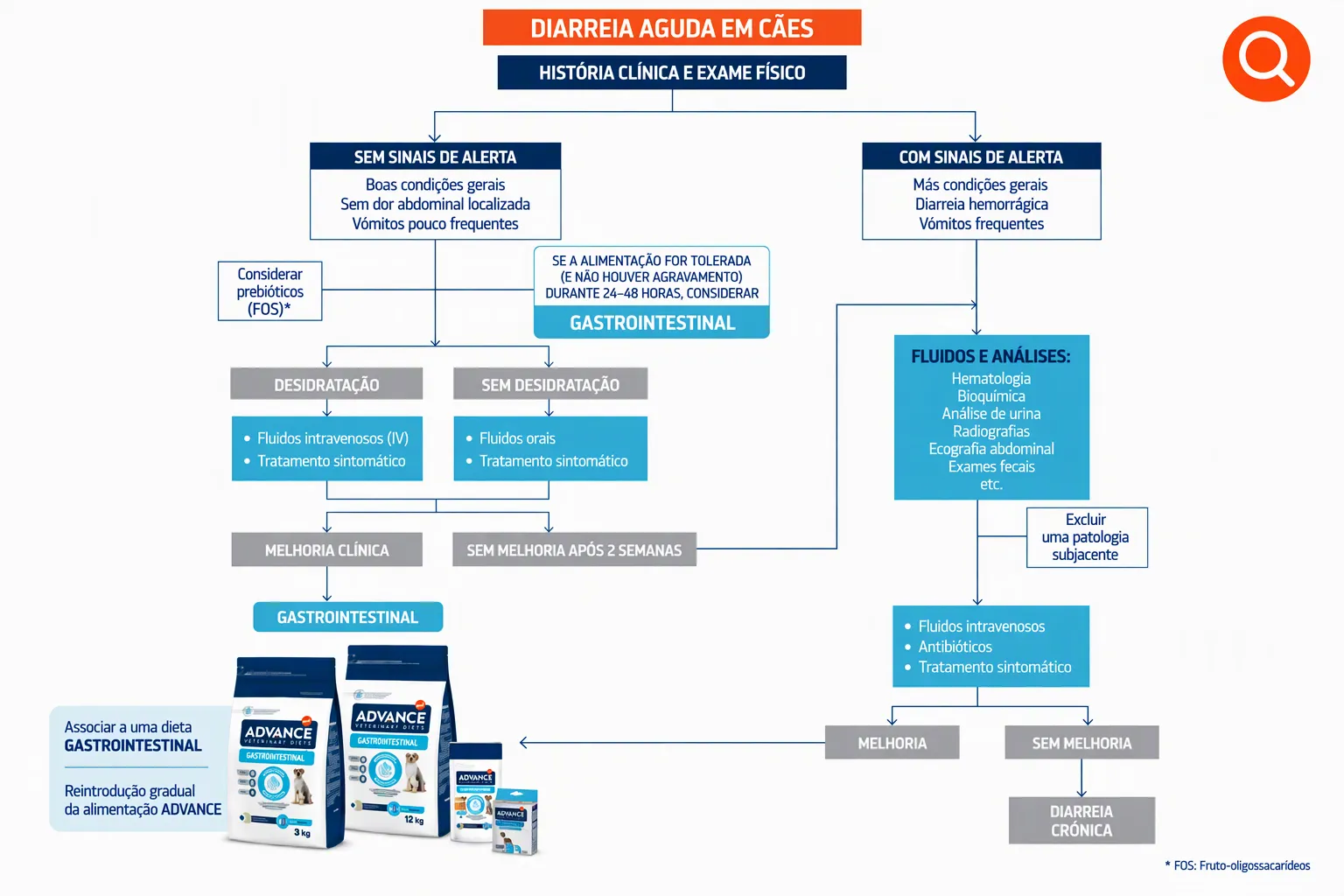
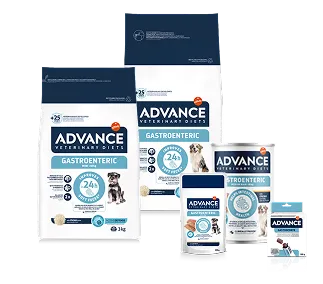
ADVANCE VETERINARY DIETS Gastroenteric
Fórmula avançada para a recuperação digestiva, com ingredientes de elevada digestibilidade, prebióticos e probióticos, ómega 3, celulose e minerais adsorventes.
Descubra aqui os seus principais benefícios
Que solução existe para as enteropatias crónicas?
Tratamento dietético com ADVANCE VeterinaryDietsHypoallergenic
As enteropatias inflamatórias crónicas representam um desafio frequente na clínica veterinária. Num estudo realizado na Universidade de Bristol, com cães com diagnóstico de enteropatia crónica, o tratamento com ADVANCE Veterinary Diets Hypoallergenic (à base de proteína de soja hidrolisada e com teor baixo de gorduras) demonstrou uma eficácia clínica de 92%.
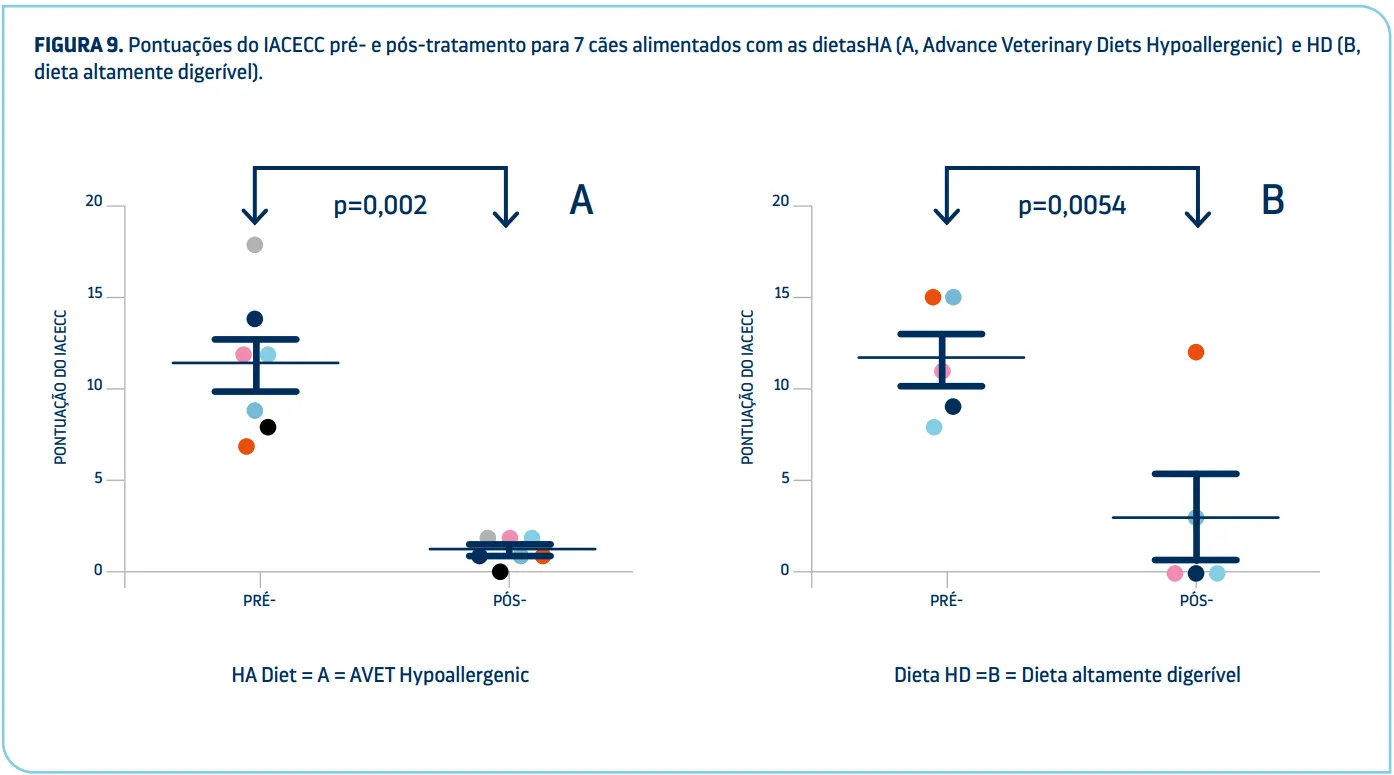
Para otimizar o acompanhamento destes doentes no dia a dia do consultório, aplique o seguinte protocolo:
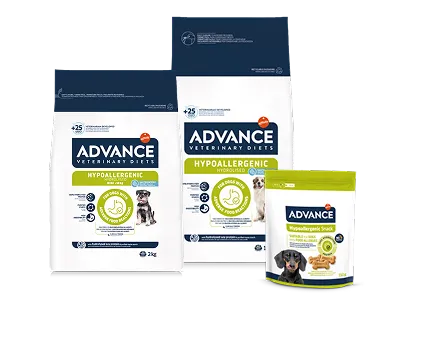
ADVANCE Veterinary Diets Hypoallergenic
Fórmula à base de proteína de soja hidrolisada de baixo peso molecular, amido de milho e com baixo teor de gordura.
Descubra aqui as suas principais vantagens
Bibliografia
1. Dandrieux JRS, Mansfield CS. Chronic Enteropathy In Canines: Prevalence, Impact And Management Strategies. Vet Med : Res Rep. 2019;10:203–14.
2. O’Neill DG, James H, Brodbelt DC, Church DB, Pegram C. Prevalence of commonly diagnosed disorders in UK dogs under primary veterinary care: results and applications. BMC Vet Res.
2021;17(1):69.
3. O’Neill DG, Church DB, McGreevy PD, Thomson PC, Brodbelt DC. Prevalence of Disorders Recorded in Dogs Attending Primary-Care Veterinary Practices in England. PLoS ONE.
2014;9(3):e90501.
4. Stavisky J, Radford AD, Gaskell R, Dawson S, German A, Parsons B, et al. A case–control study
of pathogen and lifestyle risk factors for diarrhoea in dogs. Prev Vet Med. 2011;99(2–4):185–92.
5. Stübing H, Suchodolski JS, Reisinger A, Werner M, Hartmann K, Unterer S, et al. The Effect of
Metronidazole versus a Synbiotic on Clinical Course and Core Intestinal Microbiota in Dogs with
Acute Diarrhea. Vet Sci. 2024;11(5):197.
6. Unterer S, Busch K. Acute Hemorrhagic Diarrhea Syndrome in Dogs. Vet Clin North Am: Small
Anim Pr. 2021;51(1):79–92.
7. Will K, Nolte I, Zentek J. Early Enteral Nutrition in Young Dogs Suffering from Haemorrhagic
Gastroenteritis. J Vet Med Ser A. 2005;52(7):371–6.
8. Mohr AJ, Leisewitz AL, Jacobson LS, Steiner JM, Ruaux CG, Williams DA. Effect of Early Enteral
Nutrition on Intestinal Permeability, Intestinal Protein Loss, and Outcome in Dogs with Severe
Parvoviral Enteritis. J Vet Intern Med. 2003;17(6):791
9. Rudinsky AJ, Rowe JC, Parker VJ. Nutritional management of chronic enteropathies in dogs
and cats. J Am Vet Méd Assoc. 2018;253(5):570–8.
10. Suchodolski JS, Markel ME, Garcia-Mazcorro JF, Unterer S, Heilmann RM, Dowd SE, et al.
The Fecal Microbiome in Dogs with Acute Diarrhea and Idiopathic Inflammatory Bowel Disease.
Plos One. 2012;7(12):e51907.
11. Guard BC, Barr JW, Reddivari L, Klemashevich C, Jayaraman A, Steiner JM, et al. Characterization of microbial dysbiosis and metabolomic changes in dogs with acute diarrhea. Plos One. 2015;10(5):1–24.
12. DeGruttola AK, Low D, Mizoguchi A, Mizoguchi E. Current Understanding of Dysbiosis in Disease in Human and Animal Models. Inflamm Bowel Dis. 2016;22(5):1137–50.
13. AlShawaqfeh M, Wajid B, Minamoto Y, Markel M, Lidbury J, Steiner J, et al. A dysbiosis index
to assess microbial changes in fecal samples of dogs with chronic inflammatory enteropathy.
FEMS Microbiol Ecol. 2017;93(11):1–8.
14. Werner M, Suchodolski JS, Straubinger RK, Wolf G, Steiner JM, Lidbury JA, et al. Effect of
amoxicillin-clavulanic acid on clinical scores, intestinal microbiome, and amoxicillin-resistant
Escherichia coli in dogs with uncomplicated acute diarrhea. J Vet Intern Med. 2020;34(3):1166–
76.
15. Pilla R, Gaschen FP, Barr JW, Olson E, Honneffer J, Guard BC, et al. Effects of metronidazole on the fecal microbiome and metabolome in healthy dogs. J Vet Intern Med. 2020;34(5):1853–66.
16. Chaitman J, Ziese AL, Pilla R, Minamoto Y, Blake AB, Guard BC, et al. Fecal Microbial and Metabolic Profiles in Dogs With Acute Diarrhea Receiving Either Fecal Microbiota Transplantation or Oral Metronidazole. Front Vet Sci. 2020;7:192.
17. Scahill K, Jessen LR, Prior C, Singleton D, Foroutan F, Ferran AA, et al. Efficacy of antimicrobial and nutraceutical treatment for canine acute diarrhoea: A systematic review and meta-analysis for European Network for Optimization of Antimicrobial Therapy (ENOVAT) guidelines. Vet J. 2024;303:106054.
18. Whittemore JC, Price JM, Moyers T, Suchodolski JS. Effects of Synbiotics on the Fecal Microbiome and Metabolomic Profiles of Healthy Research Dogs Administered Antibiotics: A Randomized, Controlled Trial. Front Vet Sci. 2021;8:665713.
19. Cerquetella M, Rossi G, Suchodolski JS, Schmitz SS, Allenspach K, Rodríguez-Franco F, et
al. Proposal for rational antibacterial use in the diagnosis and treatment of dogs with chronic
diarrhoea. J Small Anim Pr. 2020;61(4):211–5.
20. Dupouy-Manescau N, Méric T, Sénécat O, Drut A, Valentin S, Leal RO, et al. Aggiornamento
della classificazione delle enteropatie infiammatorie croniche nel cane. Animals. 2024;14(5):681.
21. Dandrieux JRS. Inflammatory bowel disease versus chronic enteropathy in dogs: are they
one and the same? J Small Anim Pr. 2016;57(11):589–99.
22. Wennogle SAJ, Stockman J, Webb CB. Prospective evaluation of a change in dietary therapy
in dogs with steroid-resistant protein-losing enteropathy. J Small Anim Pr. 2021;62(9):756–64.
23. Santos N, Duvergé S, Dias MJ, Hebert M, Bettin E, Signorelli F, et al. The impact of diet reassessment in the medical management of Refractory Chronic Enteropathy in dogs - A retrospective multicentric study. J Vet Intern Med. 2022 Nov 3;36(6):2455–551.
24. Rudinsky AJ, Howard JP, Bishop MA, Sherding RG, Parker VJ, Gilor C. Dietary management of
presumptive protein-losing enteropathy in Yorkshire terriers. J Small Anim Pr. 2017;58(2):103–8.
25. Nagata N, Ohta H, Yokoyama N, Teoh YB, Nisa K, Sasaki N, et al. Clinical characteristics of
dogs with food-responsive protein-losing enteropathy. J Vet Intern Med. 2020;34(2):659–68.
26. D’Angelo S, Fracassi F, Bresciani F, Galuppi R, Diana A, Linta N, et al. Effect of Saccharomyces boulardii in dogs with chronic enteropathies: double-blinded, placebo-controlled study. Vet Rec. 2018;182(9):258–258.
27. Rossi G, Pengo G, Caldin M, Piccionello AP, Steiner JM, Cohen ND, et al. Comparison of Microbiological, Histological, and Immunomodulatory Parameters in Response to Treatment with Either Combination Therapy with Prednisone and Metronidazole or Probiotic VSL#3 Strains in Dogs with Idiopathic Inflammatory Bowel Disease. Plos One. 2014;9(4):e94699.
28. Sahoo DK, Allenspach K, Mochel JP, Parker V, Rudinsky AJ, Winston JA, et al. Synbiotic-IgY Therapy Modulates the Mucosal Microbiome and Inflammatory Indices in Dogs with Chronic
Inflammatory Enteropathy: A Randomized, Double-Blind, Placebo-Controlled Study. Vet Sci.
2022;10(1):25.
29. Mandigers PJJ, Biourge V, Ingh TSGAMVD, Ankringa N, German AJ. A Randomized, Open-Label, Positively-Controlled Field Trial of a Hydrolyzed Protein Diet in Dogs with Chronic Small
Bowel Enteropathy. J Vet Intern Med. 2010;24(6):1350–7.
30. Wang S, Martins R, Sullivan MC, Friedman ES, Misic AM, El-Fahmawi A, et al. Diet-induced
remission in chronic enteropathy is associated with altered microbial community structure and
synthesis of secondary bile acids. Microbiome. 2019;7(1):126.
31. Jensen AP, Bjørnvad CR. Clinical effect of probiotics in prevention or treatment of gastrointestinal disease in dogs: A systematic review. J Vet Intern Med. 2019;33(5):1849–64.
32. Shmalberg J, Montalbano C, Morelli G, Buckley GJ. A Randomized Double Blinded Placebo-Controlled Clinical Trial of a Probiotic or Metronidazole for Acute Canine Diarrhea. Front Vet
Sci. 2019;6:163.
33. Fragua V, Barroeta AC, Manzanilla EG, Codony R, Villaverde C. Evaluation of the use of
esterified fatty acid oils enriched in medium-chain fatty acids in weight loss diets for dogs.
2015;99:48–59.
34. Zhao XT, McCamish MA, Miller RH, Wang L, Lin HC. Intestinal Transit and Absorption of Soy Protein In Dogs Depend On Load and Degree of Protein Hydrolysis 1 , 2. J Nutr.
1997;127(12):2350–6.
35. Middelbos IS, Godoy MR, Fastinger ND, Fahey GC. A dose-response evaluation of spray-dried yeast cell wall supplementation of diets fed to adult dogs: Effects on nutrient digestibility, immune indices, and fecal microbial populations1. J Anim Sci. 2007;85(11):3022–32.
36. Maturana M, Castillejos L, Martin-Orue SM, Minel A, Chetty O, Felix AP, et al. Potential benefits of yeast Saccharomyces and their derivatives in dogs and cats: a review. Front Vet Sci.
2023;10:1279506.
37. Bauer JE. Therapeutic use of fish oils in companion animals. J Am Vet Méd Assoc.
2011;239(11):1441–51.
38. Alexander C, Cross TWL, Devendran S, Neumer F, Theis S, Ridlon JM, et al. Effects of prebiotic inulin-type fructans on blood metabolite and hormone concentrations and faecal microbiota and metabolites in overweight dogs. Brit J Nutr [Internet]. 2018;120(6):1–10. Available from: https://www.cambridge.org/core/product/identifier/S0007114518001952/type/journal_article
39. Pinna C, Vecchiato CG, Bolduan C, Grandi M, Stefanelli C, Windisch W, et al. Influence of
dietary protein and fructooligosaccharides on fecal fermentative end-products, fecal bacterial
populations and apparent total tract digestibility in dogs. BMC Vet Res. 2018;14(1):106.
40. FEEDAP EP on A and P or S used in AF, Rychen G, Aquilina G, Azimonti G, Bampidis V, Bastos
M de L, et al. Safety and efficacy of Calsporin® (Bacillus subtilis DSM 15544) as a feed additive
for dogs. Efsa J. 2017;15(4):e04760.
41. Lima DC de, Souza CMM, Nakamura N, Mesa D, Oliveira SG de, Félix AP. Dietary supplementation with Bacillus subtilis C-3102 improves gut health indicators and fecal microbiota of dogs. Anim Feed Sci Tech. 2020;270:114672.
42. Schauf S, Nakamura N, Castrillo C. Effect of Calsporin® (Bacillus subtilis C-3102) addition to
the diet on faecal quality and nutrient digestibility in healthy adult dogs. J Appl Animal Nutrition. 2019;7:e3.
43. Rodriguez C, Blanch F, Romano V, Saborido N, Rodenas J, Polo J. Porcine immunoglobulins
survival in the intestinal tract of adult dogs and cats fed dry food kibbles containing spray-dried porcine plasma (SDPP) or porcine immunoglobulin concentrate (PIC). Anim Feed Sci Tech.
2007;139(3–4):201–11.
44. Lynch A, Cogan T, Hall E, Day M. Use of an in-vitro model of the canine gut epithelium to
study interactions with Campylobacter and E Coli. British Small Animal Veterinary Association.
2011;
45. Lowndes FG, Sabchuk TT, Risolia LW, Félix AP, Maiorka A, Oliveira SG de. Zeolite inclusion in
dog extruded diets: digestibility, fecal characteristics, and palatability. Semin: Ciências Agrárias.
2019;40(6):2673–82.
46. Wichert B, Schuster S, Hofmann M, Dobenecker B, Kienzle E. Influence of Different Cellulose
Types on Feces Quality of Dogs. J Nutr. 2002;132(6):1728S-1729S.
47. Pignataro G, Prinzio RD, Crisi PE, Belà B, Fusaro I, Trevisan C, et al. Comparison of the Therapeutic Effect of Treatment with Antibiotics or Nutraceuticals on Clinical Activity and the Fecal Microbiome of Dogs with Acute Diarrhea. Animals. 2021;11(6):1484.
48. Day MJ, Bilzer T, Mansell J, Wilcock B, Hall EJ, Jergens A, et al. Histopathological Standards
for the Diagnosis of Gastrointestinal Inflammation in Endoscopic Biopsy Samples from the Dog
and Cat: A Report from the World Small Animal Veterinary Association Gastrointestinal Standardization Group. J Comp Pathol. 2008;138:S1–43.
49. Allenspach K, Wieland B, Gröne A, Gaschen F. Chronic Enteropathies in Dogs: Evaluation of
Risk Factors for Negative Outcome. J Vet Intern Med. 2007;21(4):700.
50. Mandigers PJJ, Biourge V, Ingh TSGAMVD, Ankringa N, German AJ. A Randomized, Open-Label, Positively-Controlled Field Trial of a Hydrolyzed Protein Diet in Dogs with Chronic Small
Bowel Enteropathy. J Vet Intern Med. 2010;24(6):1350–7.
51. Wang S, Martins R, Sullivan MC, Friedman ES, Misic AM, El-Fahmawi A, et al. Diet-induced
remission in chronic enteropathy is associated with altered microbial community structure and synthesis of secondary bile acids. Microbiome. 2019;7(1):126.
Perguntas frequentes
Devo recomendar um jejum de 24 horas antes de administrar o alimento terapêutico?
Não é aconselhável recomendar o jejum terapêutico, salvo em caso de vómitos contínuos; a nutrição enteral precoce protege a mucosa intestinal. Prescreva ADVANCE Gastroenteric de imediato, repartido por várias pequenas refeições ao longo do dia.
Como faço a transição se o cão chegar com diarreia líquida?
Transição direta para 100% do novo alimento, sem mistura gradual. Utilize a ração Advance Veterinary Diets Gastroenteric, na versão seca, húmida ou uma combinação de ambas, em várias refeições pequenas ao longo do dia, para facilitar a tolerância digestiva.
Se as fezes voltarem ao normal em 3 dias, quando é que posso voltar à ração habitual?
O produto Advance Veterinary Diets Gastroenteric é um alimento completo e equilibrado que pode ser administrado durante o episódio gastrointestinal e após o desaparecimento dos sintomas. Caso pretenda voltar ao produto habitual, recomendamos sempre um período de transição de, pelo menos, 7 dias, durante o qual o alimento habitual será reintroduzido gradualmente, substituindo o Advance Veterinary Diets Gastroenteric.