Gastrointestinal disorders in dogs are one of the most common reasons for seeking veterinary advice. They usually present with non-specific signs such as vomiting and diarrhoea.
They are classified according to their course over time as acute – that is, with a sudden onset and lasting fewer than 7 days – or chronic, with continuous or intermittent symptoms lasting for more than 3 weeks.
Main causes of acute diarrhoea in dogs (AD)
Acute diarrhoea has multiple causes. To facilitate rapid assessment during a consultation, the main causes are grouped as follows:
Dietary factors: overeating, sudden changes in diet, food intolerances and hypersensitivities.
Systemic and environmental: stressful situations.
Iatrogenic / drugs: side effects of certain medicines.
Microbial and pathogenic: gastrointestinal infections caused by an overgrowth of pathogenic bacteria (such as Clostridium difficile or Escherichia coli).
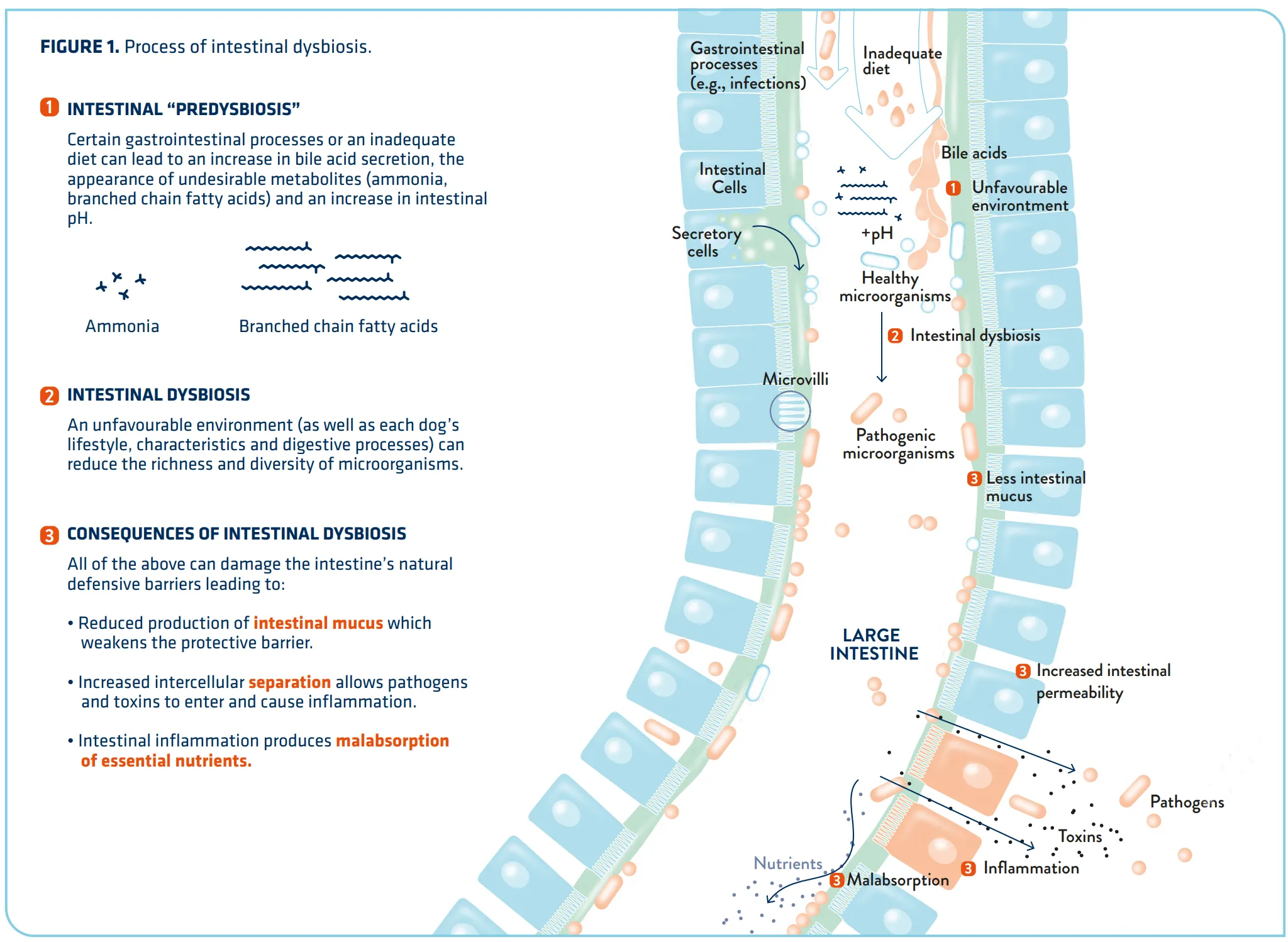
Diagnosis of gut dysbiosis: the dysbiosis index (DI)
The dysbiosis index (DI) is used to objectively quantify this imbalance in the microbiota:
No dysbiosis
Numerical range: DI < 0: no change in the overall diversity of the microbiota
Moderate dysbiosis
Numerical range: DI 0 – 2: moderate alteration in bacterial composition/activity.
Severe dysbiosis
Numerical range: DI > 2: severe imbalance of the gut microbiome (associated with antibiotic use or serious medical conditions).
Developments in the classification of chronic inflammatory enteropathies (CIE)
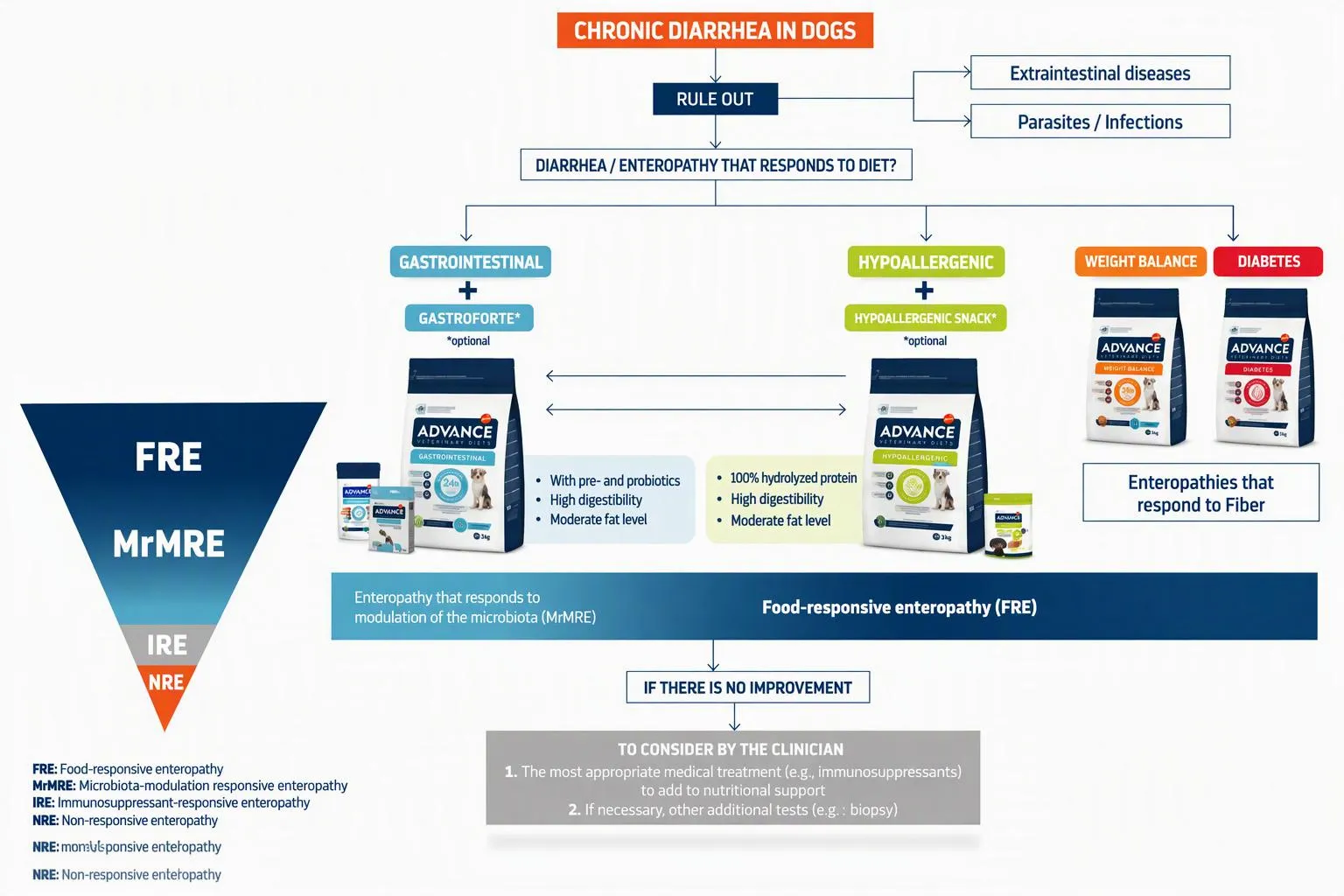
The classification scheme for chronic enteropathies in dogs has recently been updated based on their response to treatment (Dupouy-Manescau et al., 2024):
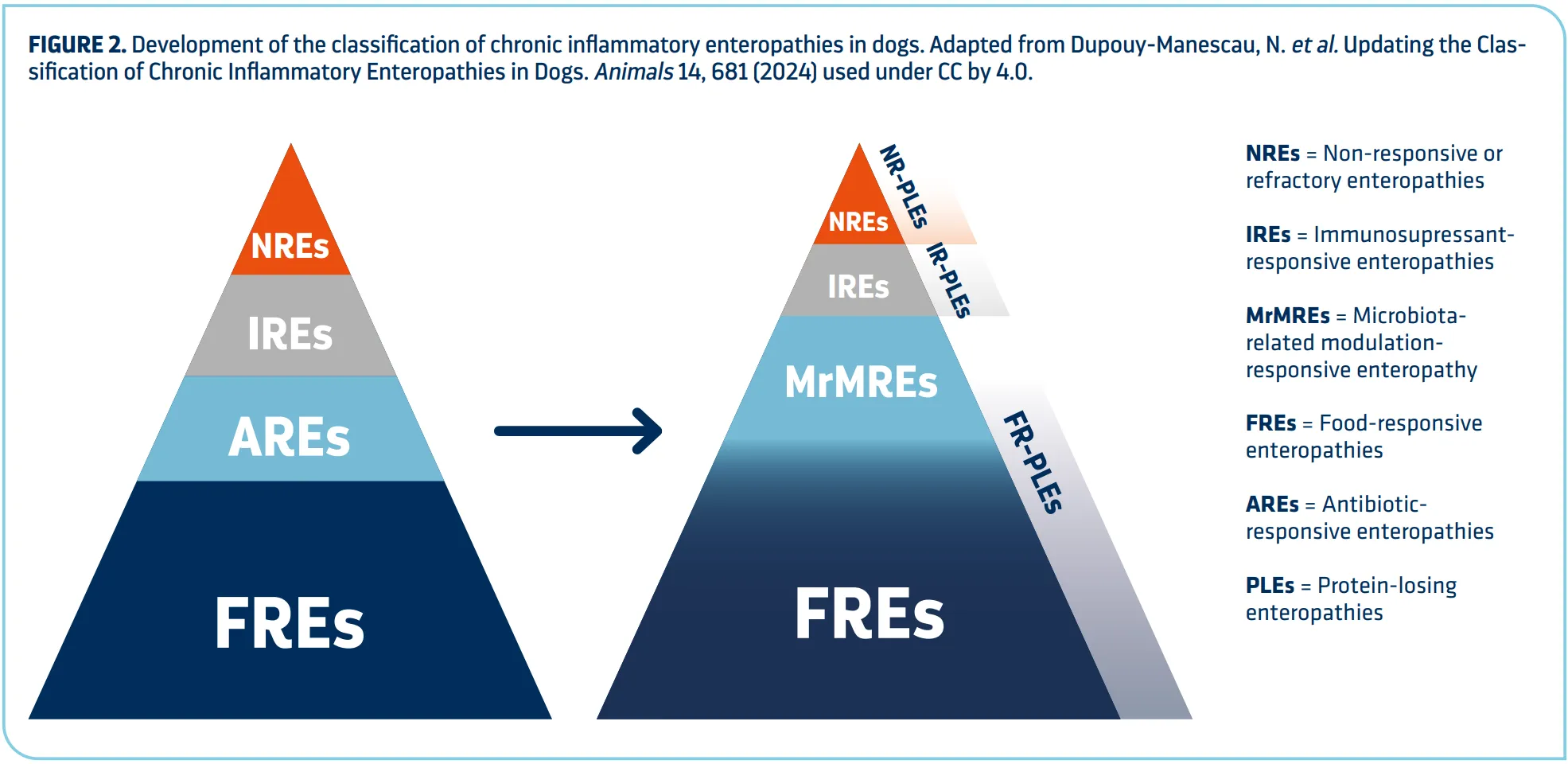
- FRE (Food-Responsive Enteropathies): enteropathies that respond to dietary management. They account for the majority of cases. They must be reassessed before a patient is classified as resistant.
- MrMRE (Microbiota-related Modulation-Responsive Enteropathies): enteropathies that respond to modulation of the microbiota. They conceptually replace the former AREs (antibiotic-responsive enteropathies) through the use of prebiotics, probiotics and synbiotics.
- IRE (Immunosuppressant-Responsive Enteropathies): enteropathies that respond to immunosuppressants. They account for a minority of cases when an appropriate dietary approach is taken.
- NRE (Non-Responsive Enteropathies): enteropathies that are resistant to or do not respond to treatment.
- PLE (Protein-Losing Enteropathies): hypoproteinaemic enteropathies. Used as a marker of clinical severity across categories.
What treatment is available for acute diarrhoea in dogs?
The study on gastrointestinal pathology published in Frontiers in Veterinary Science shows positive results for Advance Veterinary Diets Gastroenteric in the management of acute diarrhoea in dogs. (Jeusette et al. A new, highly digestible prescription diet containing Bacillus velezensis DSM 15544, fructo-oligosaccharides, plasma immunoglobulin, yeast and sepiolite for the management of acute diarrhoea in dogs: a randomised, double-blind, controlled trial.)
- The new formula includes highly digestible ingredients, omega-3 fatty acids, plasma immunoglobulins and a combination of FOS and the live probiotic Bacillus velezensis, amongst others.
- The results showed an acceleration in clinical resolution (by 2.3 days on average) and a rapid return to normal stool consistency.
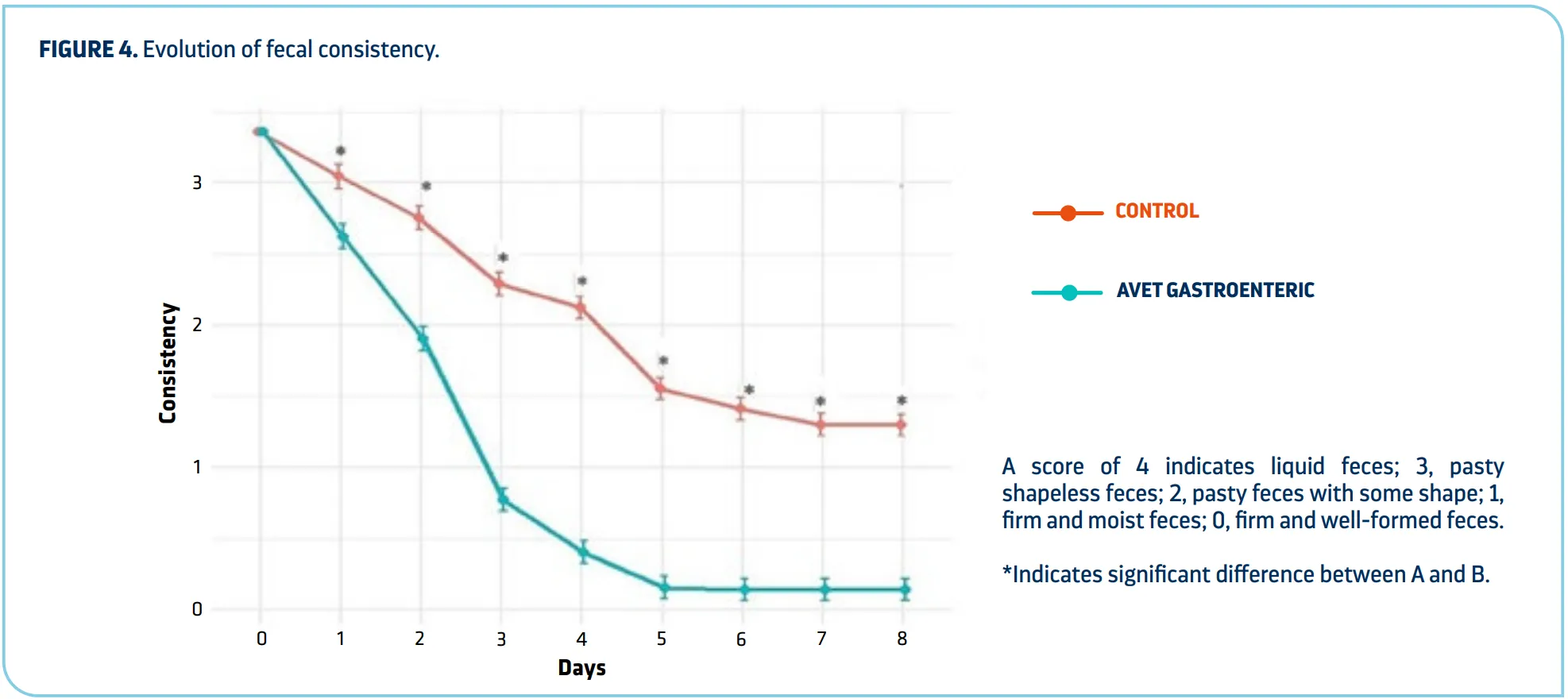
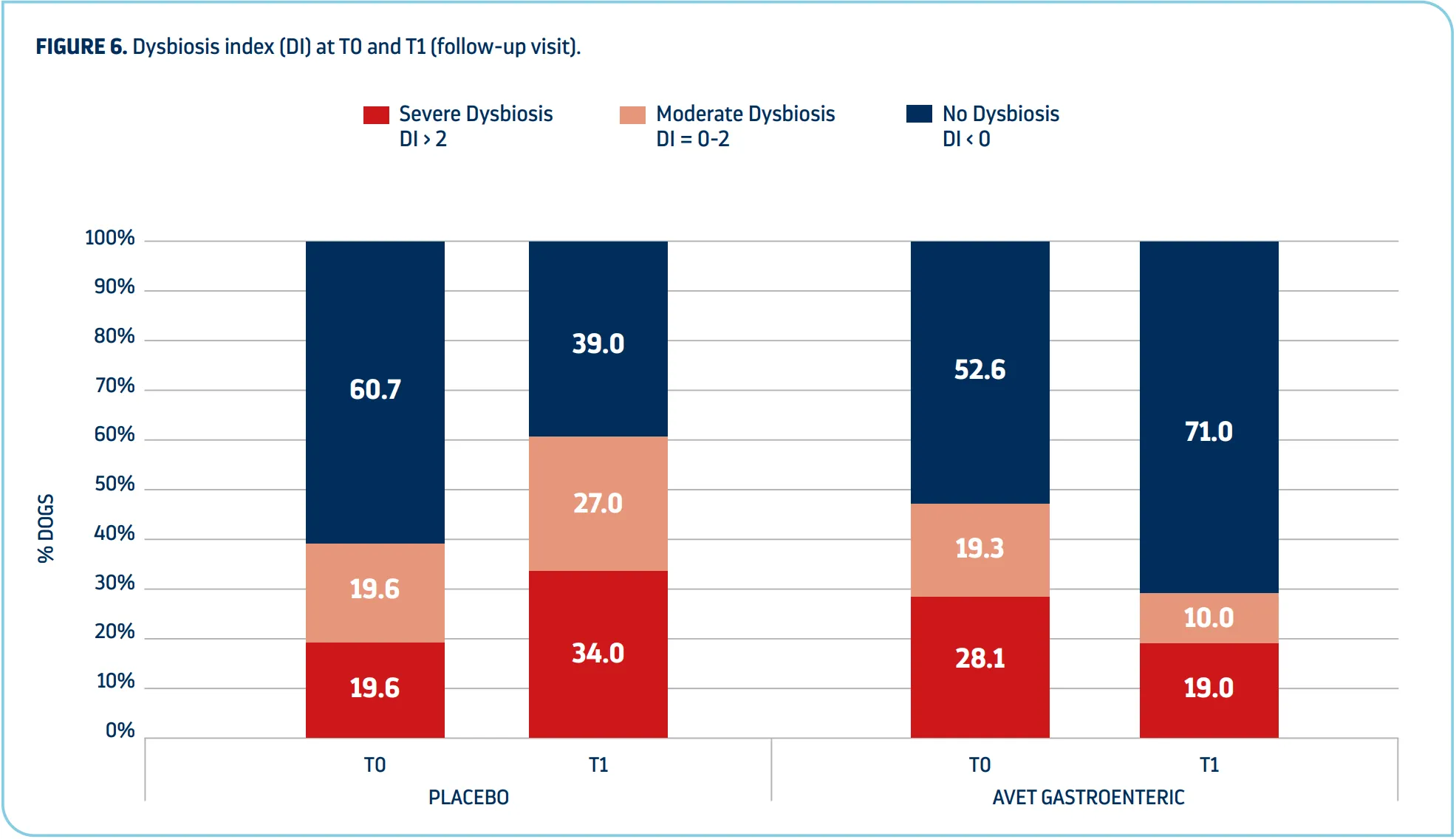
Using this diet also halved the risk of developing gut dysbiosis following the acute phase.
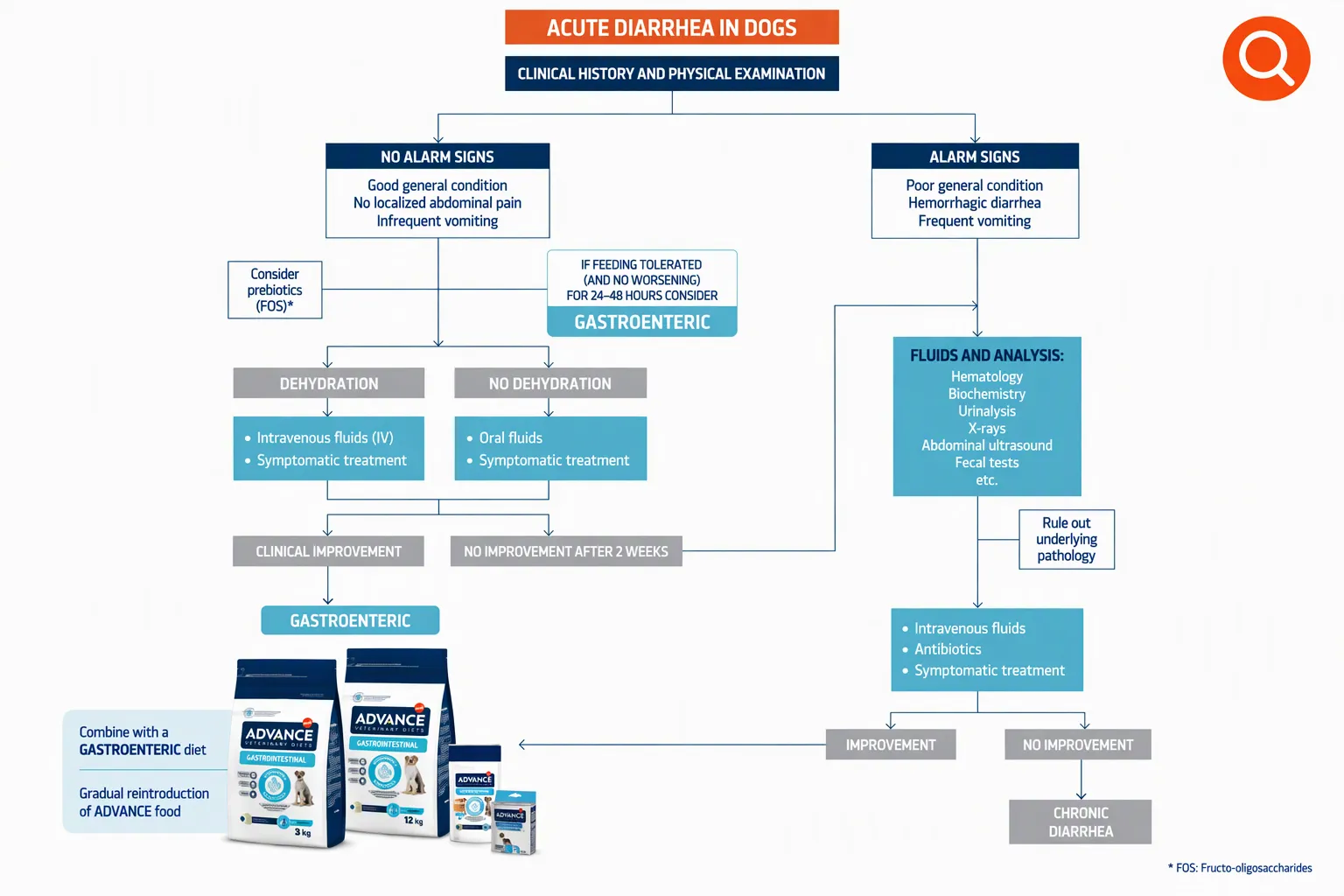
To optimise the management of these patients in day-to-day practice, follow this protocol:
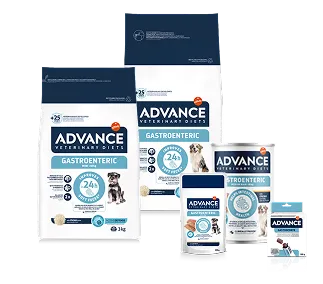
ADVANCE VETERINARY DIETS Gastroenteric
An advanced formula for digestive recovery, containing highly digestible ingredients, prebiotics and probiotics, omega-3, cellulose and adsorbent minerals.
Discover its key benefits here
What treatment is available for chronic enteropathies?
Dietary management with ADVANCE Veterinary Diets Hypoallergenic
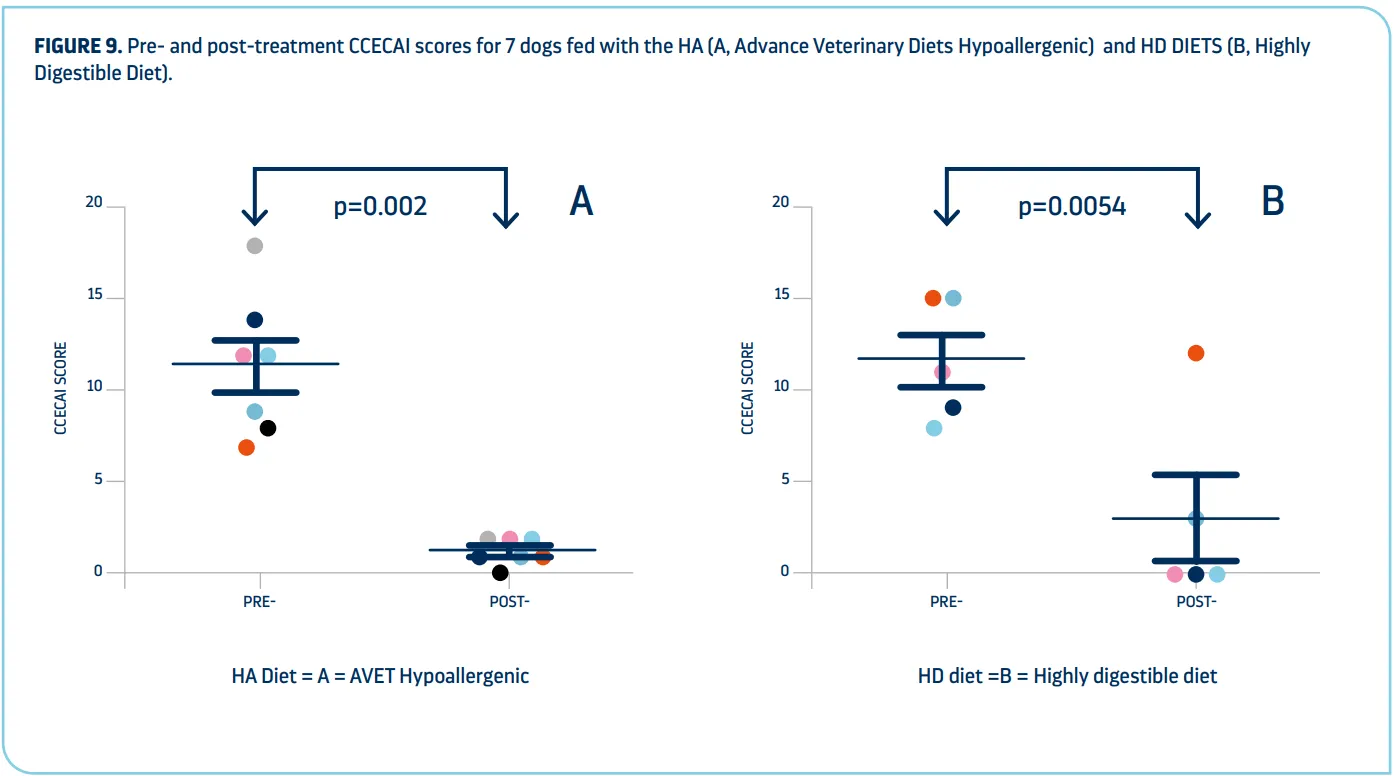
Chronic inflammatory enteropathies are a common challenge in veterinary practice. In a study carried out at the University of Bristol involving dogs diagnosed with chronic enteropathy, treatment with ADVANCE Veterinary Diets Hypoallergenic (based on hydrolysed soya protein with a low fat content) demonstrated a clinical efficacy of 92 per cent.
To optimise the management of these patients in day-to-day practice, follow this protocol:
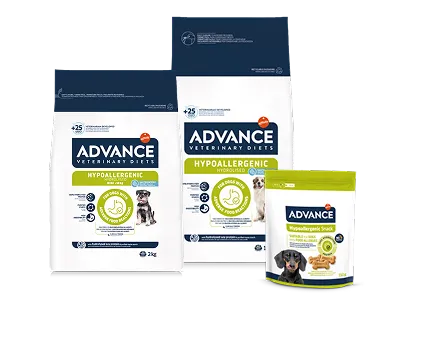
Advance Veterinary Diets Hypoallergenic
A low-fat formula based on low-molecular-weight hydrolysed soya protein and maize starch.
Discover its key benefits here
Bibliografía
1. Dandrieux JRS, Mansfield CS. Chronic Enteropathy In Canines: Prevalence, Impact And Management Strategies. Vet Med : Res Rep. 2019;10:203–14.
2. O’Neill DG, James H, Brodbelt DC, Church DB, Pegram C. Prevalence of commonly diagnosed disorders in UK dogs under primary veterinary care: results and applications. BMC Vet Res. 2021;17(1):69.
3. O’Neill DG, Church DB, McGreevy PD, Thomson PC, Brodbelt DC. Prevalence of Disorders Recorded in Dogs Attending Primary-Care Veterinary Practices in England. PLoS ONE. 2014;9(3):e90501.
4. Stavisky J, Radford AD, Gaskell R, Dawson S, German A, Parsons B, et al. A case–control study of pathogen and lifestyle risk factors for diarrhoea in dogs. Prev Vet Med. 2011;99(2–4):185–92.
5. Stübing H, Suchodolski JS, Reisinger A, Werner M, Hartmann K, Unterer S, et al. The Effect of Metronidazole versus a Synbiotic on Clinical Course and Core Intestinal Microbiota in Dogs with Acute Diarrhea. Vet Sci. 2024;11(5):197.
6. Unterer S, Busch K. Acute Hemorrhagic Diarrhea Syndrome in Dogs. Vet Clin North Am: Small Anim Pr. 2021;51(1):79–92.
7. Will K, Nolte I, Zentek J. Early Enteral Nutrition in Young Dogs Suffering from Haemorrhagic Gastroenteritis. J Vet Med Ser A. 2005;52(7):371–6.
8. Mohr AJ, Leisewitz AL, Jacobson LS, Steiner JM, Ruaux CG, Williams DA. Effect of Early Enteral Nutrition on Intestinal Permeability, Intestinal Protein Loss, and Outcome in Dogs with Severe Parvoviral Enteritis. J Vet Intern Med. 2003;17(6):791–
9. Rudinsky AJ, Rowe JC, Parker VJ. Nutritional management of chronic enteropathies in dogs and cats. J Am Vet Méd Assoc. 2018;253(5):570–8.
10. Suchodolski JS, Markel ME, Garcia-Mazcorro JF, Unterer S, Heilmann RM, Dowd SE, et al. The Fecal Microbiome in Dogs with Acute Diarrhea and Idiopathic Inflammatory Bowel Disease. Plos One. 2012;7(12):e51907.
11. Guard BC, Barr JW, Reddivari L, Klemashevich C, Jayaraman A, Steiner JM, et al. Characterization of microbial dysbiosis and metabolomic changes in dogs with acute diarrhea. Plos One. 2015;10(5):1–24.
12. DeGruttola AK, Low D, Mizoguchi A, Mizoguchi E. Current Understanding of Dysbiosis in Disease in Human and Animal Models. Inflamm Bowel Dis. 2016;22(5):1137–50.
13. AlShawaqfeh M, Wajid B, Minamoto Y, Markel M, Lidbury J, Steiner J, et al. A dysbiosis index to assess microbial changes in fecal samples of dogs with chronic inflammatory enteropathy. FEMS Microbiol Ecol. 2017;93(11):1–8.
14. Werner M, Suchodolski JS, Straubinger RK, Wolf G, Steiner JM, Lidbury JA, et al. Effect of amoxicillin-clavulanic acid on clinical scores, intestinal microbiome, and amoxicillin-resistant Escherichia coli in dogs with uncomplicated acute diarrhea. J Vet Intern Med. 2020;34(3):1166–76.
15. Pilla R, Gaschen FP, Barr JW, Olson E, Honneffer J, Guard BC, et al. Effects of metronidazole on the fecal microbiome and metabolome in healthy dogs. J Vet Intern Med. 2020;34(5):1853–66.
16. Chaitman J, Ziese AL, Pilla R, Minamoto Y, Blake AB, Guard BC, et al. Fecal Microbial and Metabolic Profiles in Dogs With Acute Diarrhea Receiving Either Fecal Microbiota Transplantation or Oral Metronidazole. Front Vet Sci. 2020;7:192.
17. Scahill K, Jessen LR, Prior C, Singleton D, Foroutan F, Ferran AA, et al. Efficacy of antimicrobial and nutraceutical treatment for canine acute diarrhoea: A systematic review and meta-analysis for European Network for Optimization of Antimicrobial Therapy (ENOVAT) guidelines. Vet J. 2024;303:106054.
18. Whittemore JC, Price JM, Moyers T, Suchodolski JS. Effects of Synbiotics on the Fecal Microbiome and Metabolomic Profiles of Healthy Research Dogs Administered Antibiotics: A Randomized, Controlled Trial. Front Vet Sci. 2021;8:665713.
19. Cerquetella M, Rossi G, Suchodolski JS, Schmitz SS, Allenspach K, Rodríguez-Franco F, et al. Proposal for rational antibacterial use in the diagnosis and treatment of dogs with chronic diarrhoea. J Small Anim Pr. 2020;61(4):211–5.
20. Dupouy-Manescau N, Méric T, Sénécat O, Drut A, Valentin S, Leal RO, et al. Aggiornamento della classificazione delle enteropatie infiammatorie croniche nel cane. Animals. 2024;14(5):681.
21. Dandrieux JRS. Inflammatory bowel disease versus chronic enteropathy in dogs: are they one and the same? J Small Anim Pr. 2016;57(11):589–99.
22. Wennogle SAJ, Stockman J, Webb CB. Prospective evaluation of a change in dietary therapy in dogs with steroid-resistant protein-losing enteropathy. J Small Anim Pr. 2021;62(9):756–64.
23. Santos N, Duvergé S, Dias MJ, Hebert M, Bettin E, Signorelli F, et al. The impact of diet reassessment in the medical management of Refractory Chronic Enteropathy in dogs - A retrospective multicentric study. J Vet Intern Med. 2022 Nov 3;36(6):2455–551.
24. Rudinsky AJ, Howard JP, Bishop MA, Sherding RG, Parker VJ, Gilor C. Dietary management of presumptive protein-losing enteropathy in Yorkshire terriers. J Small Anim Pr. 2017;58(2):103–8.
25. Nagata N, Ohta H, Yokoyama N, Teoh YB, Nisa K, Sasaki N, et al. Clinical characteristics of dogs with food-responsive protein-losing enteropathy. J Vet Intern Med. 2020;34(2):659–68.
26. D’Angelo S, Fracassi F, Bresciani F, Galuppi R, Diana A, Linta N, et al. Effect of Saccharomyces boulardii in dogs with chronic enteropathies: double-blinded, placebo-controlled study. Vet Rec. 2018;182(9):258–258.
27. Rossi G, Pengo G, Caldin M, Piccionello AP, Steiner JM, Cohen ND, et al. Comparison of Microbiological, Histological, and Immunomodulatory Parameters in Response to Treatment with Either Combination Therapy with Prednisone and Metronidazole or Probiotic VSL#3 Strains in Dogs with Idiopathic Inflammatory Bowel Disease. Plos One. 2014;9(4):e94699.
28. Sahoo DK, Allenspach K, Mochel JP, Parker V, Rudinsky AJ, Winston JA, et al. Synbiotic-IgY Therapy Modulates the Mucosal Microbiome and Inflammatory Indices in Dogs with Chronic Inflammatory Enteropathy: A Randomized, Double-Blind, Placebo-Controlled Study. Vet Sci. 2022;10(1):25.
29. Mandigers PJJ, Biourge V, Ingh TSGAMVD, Ankringa N, German AJ. A Randomized, Open-Label, Positively-Controlled Field Trial of a Hydrolyzed Protein Diet in Dogs with Chronic Small Bowel Enteropathy. J Vet Intern Med. 2010;24(6):1350–7.
30. Wang S, Martins R, Sullivan MC, Friedman ES, Misic AM, El-Fahmawi A, et al. Diet-induced remission in chronic enteropathy is associated with altered microbial community structure and synthesis of secondary bile acids. Microbiome. 2019;7(1):126.
31. Jensen AP, Bjørnvad CR. Clinical effect of probiotics in prevention or treatment of gastrointestinal disease in dogs: A systematic review. J Vet Intern Med. 2019;33(5):1849–64.
32. Shmalberg J, Montalbano C, Morelli G, Buckley GJ. A Randomized Double Blinded Placebo-Controlled Clinical Trial of a Probiotic or Metronidazole for Acute Canine Diarrhea. Front Vet Sci. 2019;6:163.
33. Fragua V, Barroeta AC, Manzanilla EG, Codony R, Villaverde C. Evaluation of the use of esterified fatty acid oils enriched in medium-chain fatty acids in weight loss diets for dogs. 2015;99:48–59.
34. Zhao XT, McCamish MA, Miller RH, Wang L, Lin HC. Intestinal Transit and Absorption of Soy Protein In Dogs Depend On Load and Degree of Protein Hydrolysis 1 , 2. J Nutr. 1997;127(12):2350–6.
35. Middelbos IS, Godoy MR, Fastinger ND, Fahey GC. A dose-response evaluation of spray-dried yeast cell wall supplementation of diets fed to adult dogs: Effects on nutrient digestibility, immune indices, and fecal microbial populations1. J Anim Sci. 2007;85(11):3022–32.
36. Maturana M, Castillejos L, Martin-Orue SM, Minel A, Chetty O, Felix AP, et al. Potential benefits of yeast Saccharomyces and their derivatives in dogs and cats: a review. Front Vet Sci. 2023;10:1279506.
37. Bauer JE. Therapeutic use of fish oils in companion animals. J Am Vet Méd Assoc. 2011;239(11):1441–51.
38. Alexander C, Cross TWL, Devendran S, Neumer F, Theis S, Ridlon JM, et al. Effects of prebiotic inulin-type fructans on blood metabolite and hormone concentrations and faecal microbiota and metabolites in overweight dogs. Brit J Nutr [Internet]. 2018;120(6):1–10. Available from: https://www.cambridge.org/core/product/identifier/S0007114518001952/type/journal_article
39. Pinna C, Vecchiato CG, Bolduan C, Grandi M, Stefanelli C, Windisch W, et al. Influence of dietary protein and fructooligosaccharides on fecal fermentative end-products, fecal bacterial populations and apparent total tract digestibility in dogs. BMC Vet Res. 2018;14(1):106.
40. FEEDAP EP on A and P or S used in AF, Rychen G, Aquilina G, Azimonti G, Bampidis V, Bastos M de L, et al. Safety and efficacy of Calsporin® (Bacillus subtilis DSM 15544) as a feed additive for dogs. Efsa J. 2017;15(4):e04760.
41. Lima DC de, Souza CMM, Nakamura N, Mesa D, Oliveira SG de, Félix AP. Dietary supplementation with Bacillus subtilis C-3102 improves gut health indicators and fecal microbiota of dogs. Anim Feed Sci Tech. 2020;270:114672.
42. Schauf S, Nakamura N, Castrillo C. Effect of Calsporin® (Bacillus subtilis C-3102) addition to the diet on faecal quality and nutrient digestibility in healthy adult dogs. J Appl Animal Nutrition. 2019;7:e3.
43. Rodriguez C, Blanch F, Romano V, Saborido N, Rodenas J, Polo J. Porcine immunoglobulins survival in the intestinal tract of adult dogs and cats fed dry food kibbles containing spray-dried porcine plasma (SDPP) or porcine immunoglobulin concentrate (PIC). Anim Feed Sci Tech. 2007;139(3–4):201–11.
44. Lynch A, Cogan T, Hall E, Day M. Use of an in-vitro model of the canine gut epithelium to study interactions with Campylobacter and E Coli. British Small Animal Veterinary Association. 2011;
45. Lowndes FG, Sabchuk TT, Risolia LW, Félix AP, Maiorka A, Oliveira SG de. Zeolite inclusion in dog extruded diets: digestibility, fecal characteristics, and palatability. Semin: Ciências Agrárias. 2019;40(6):2673–82.
46. Wichert B, Schuster S, Hofmann M, Dobenecker B, Kienzle E. Influence of Different Cellulose Types on Feces Quality of Dogs. J Nutr. 2002;132(6):1728S-1729S.
47. Pignataro G, Prinzio RD, Crisi PE, Belà B, Fusaro I, Trevisan C, et al. Comparison of the Therapeutic Effect of Treatment with Antibiotics or Nutraceuticals on Clinical Activity and the Fecal Microbiome of Dogs with Acute Diarrhea. Animals. 2021;11(6):1484.
48. Day MJ, Bilzer T, Mansell J, Wilcock B, Hall EJ, Jergens A, et al. Histopathological Standards for the Diagnosis of Gastrointestinal Inflammation in Endoscopic Biopsy Samples from the Dog and Cat: A Report from the World Small Animal Veterinary Association Gastrointestinal Standardization Group. J Comp Pathol. 2008;138:S1–43.
49. Allenspach K, Wieland B, Gröne A, Gaschen F. Chronic Enteropathies in Dogs: Evaluation of Risk Factors for Negative Outcome. J Vet Intern Med. 2007;21(4):700.
50. Mandigers PJJ, Biourge V, Ingh TSGAMVD, Ankringa N, German AJ. A Randomized, Open-Label, Positively-Controlled Field Trial of a Hydrolyzed Protein Diet in Dogs with Chronic Small Bowel Enteropathy. J Vet Intern Med. 2010;24(6):1350–7.
51. Wang S, Martins R, Sullivan MC, Friedman ES, Misic AM, El-Fahmawi A, et al. Diet-induced remission in chronic enteropathy is associated with altered microbial community structure and synthesis of secondary bile acids. Microbiome. 2019;7(1):126.
Frequently asked questions
Should I recommend a 24-hour fast before administering the therapeutic food?
It is not advisable to recommend therapeutic fasting except in cases of persistent vomiting; early enteral nutrition protects the intestinal mucosa. Prescribe ADVANCE Gastroenteric immediately, divided into several small meals throughout the day.
How do I make the transition if the dog arrives with watery diarrhoea?
Change to 100% new food without gradual mixing. Feed Advance Veterinary Diets Gastroenteric dry or wet food, or a combination of both, in several small meals throughout the day to improve digestive tolerance.
If the stools return to normal within 3 days, when should I go back to the usual feed?
Advance Veterinary Diets Gastroenteric is a complete and balanced diet that can be fed during the gastrointestinal episode and after the symptoms have subsided. If you wish to return to the dog’s usual food, we always recommend a transition period of at least 7 days, during which you should gradually reintroduce the previous food in place of Advance Veterinary Diets Gastroenteric.